HOLISTICALLY DESIGNED
INTENTIONAL WELL-BEING
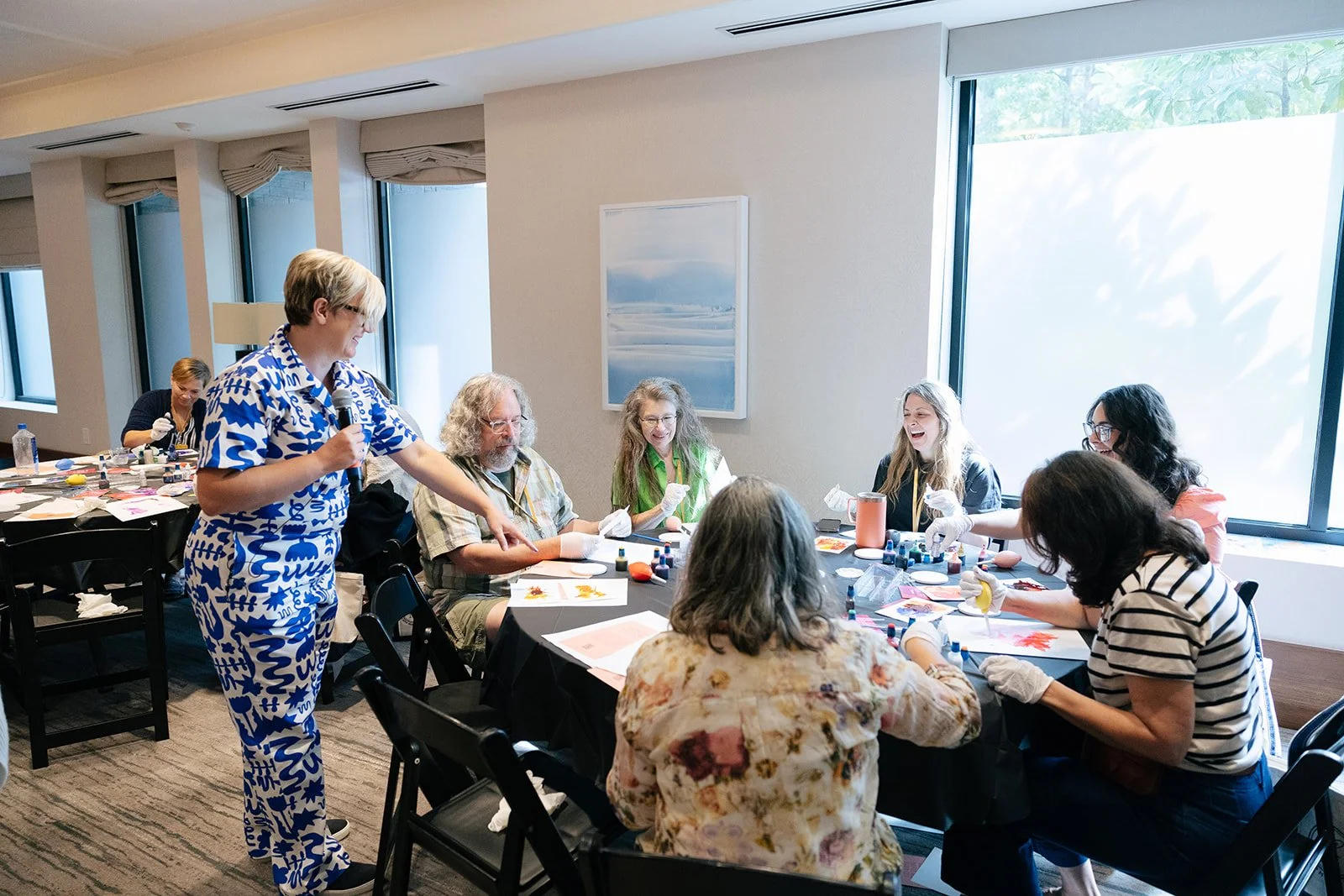
At Crave, we design our workshops with a deep sense of intentionality. Each experience is thoughtfully crafted to remind us that investing time in self-care is essential for thriving in both work and life. Just as every successful project starts with planning and focus, we approach creative mindfulness with the same commitment. It's about making space to slow down, recharge, and be at our best.
How do we achieve this? By blending mindful practices with hands-on, process-driven art exercises that foster creativity and calm.

A NOTE FROM AGNES

MY STORY
When I started my first design job, I loved it, but I was working 70+ hour weeks, staying up late, and not getting enough sleep. I’d try to go to the gym afterward, but even that felt stressful. Living in LA meant driving all over the city just to find a way to relax, and sometimes the teacher wouldn’t even show up. This routine continued for months. I was used to stress and pulling all-nighters—I had finished architecture school at USC and earned my MFA at RISD. We were taught that this kind of lifestyle was normal.
One day, I woke up with tingling in my face. I ignored it and went to the 24-Hour Fitness gym. Not feeling well, I decided to head home for a nap. I had an event later that day with one of my bosses, so I pushed through. Despite the tingling, I drove across the city to be a docent at a house tour. I put on a brave face, chatted with strangers, and showed the house. But by late afternoon, the tingling had worsened. I looked in the mirror, and my face had dropped. When I smiled, one side didn’t move—it was terrifying. I drove myself to the ER at Kaiser in LA. After some hushed conversations, I was told I might have something called Bell’s Palsy. They gave me serious steroids, and I went home. My mom drove down from San Francisco to take care of me.
Even after that, the meetings and work didn’t stop. I rested, hoping my face would return to normal. Bell’s Palsy is a nerve disease, and while it may or may not have been related to an ear infection I had ignored, it was almost certainly related to stress.
Gradually my face went back to normal. All seemed well. I kept working at design agencies. The hectic pace resumed.
Two years later, I found myself back in the hospital, getting MRIs for strange tingling and migraines. Once again, I was in a big MRI machine—this time at Cedars-Sinai—scanning my brain to understand why I was experiencing these symptoms.
Spoiler alert: it was stress.
My body was telling me that the lifestyle I was used to was no longer sustainable. I started making changes. I began practicing yoga and hiking more. I still worked hard, but I made time to slow down and be present. In 2010, mindfulness wasn’t a common concept, but today, well-being is finally being talked about more openly.
Yoga saved me. I also discovered a “crafternoon,” where a group of coworkers got together, creating different crafts. I started collaging cards. This became my antidote to the relentless hustle of clients, deadlines, and deliverables. I took this time seriously. I didn’t wait for a free moment at the end of the week to go to yoga—I scheduled it.
I learned that taking time to be intentional with my craft and well-being wasn’t just a luxury—it was a necessity. I began to prioritize slowing down, making space to breathe and be present.
I’M NOT ALONE
How much does your organization spend on your employees' mental health? Burnout is real.The professional landscape has changed since my first design job. People need mental well-being more than ever. They cannot perform if they are stressed or dealing with anxiety.
Burnout leads to a 63% increase in the likelihood of taking a sick day, and employees who experience burnout are 2.6 times more likely to actively look for a new job, which drives up turnover and recruitment costs.
Anxiety and stress are leading causes of mental health issues in the workplace. The American Institute of Stress estimates that workplace stress costs U.S. companies more than $300 billion annually due to absenteeism, turnover, diminished productivity, and direct medical, legal, and insurance expenses.
For every $1 spent on effective mental health care and wellness programs, companies can see a return of $4 in improved health and productivity, according to the World Health Organization.